
ITAR Registered
ITAR Registered
ITAR Registered
News

Applied Plastics Technology, Inc.’s Quality Management System has been assessed and registered by NQA against the provisions of ISO 9001:2015. We are committed to utilizing our collective talents to provide ...
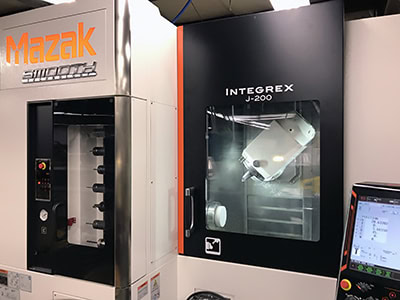
APT has added a new Mazak to the shop floor. The Intergrex J-200 with the SmoothG control increases our capacity for turn-mill, multi-axis part production of Teflon™ PTFE and a ...
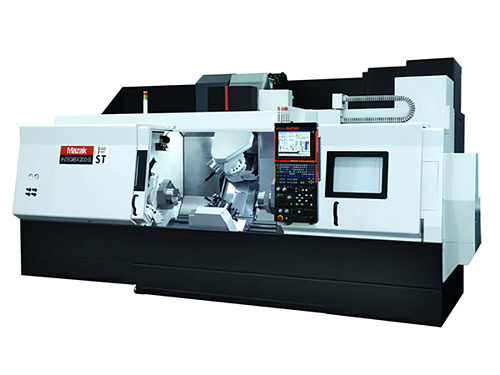
APT aquires a Mazak Integrex 200-IV ST to bring 5-axis machining capabilities to our shop. This CNC machine compliments our several other Mazak turning and milling machine centers. The 200-IV ...
Why Work With APT
Applied Plastics Technology, Inc. (APT) is specialized in Teflon™ PTFE Compression Molding & CNC Machining of PTFE component parts for applications that require the high purity, chemical resistance, and thermal & electrical properties of performance fluoropolymers.
We are ISO 9001:2015 certified, and committed to our Quality Management System to provide our customers with the highest quality parts for their applications.
APT offers Automatic PTFE compression molding, custom CNC machining, and PCTFE molding services for a variety of industries and applications. APT’s machinists are highly experienced with many PTFE (polytetrafluoroethylene) grades & PTFE compounds, PCTFE, and advanced engineering plastics including Torlon® PAI, PEEK, ULTEM® PEI, Acetal Delrin® UHMW PE, Nylon and other grades of plastics.
PTFE Part Design & Engineering Assistance – We can help you refine your part drawing or concept into a part we can make for you. We prefer to quote from your fully dimensioned drawing (PDFs work well). We understand some customers, such as Universities and labs, might need some assistance. APT works with both 2D & 3D CAD tools (AutoCAD LT® and SolidWorks®). Use our “Request a Quote” form or email us your drawing or sketch & specifications.